
Hands-on Approach

Young children learn a great deal by observing the world around them. We encourage this by getting students involved in activities both inside and outside the classroom. Students in the Lower School spend well over half their day involved in some kind of hands-on activities or creative projects. Walk into a classroom at this level and you’ll generally find a beehive of motion.

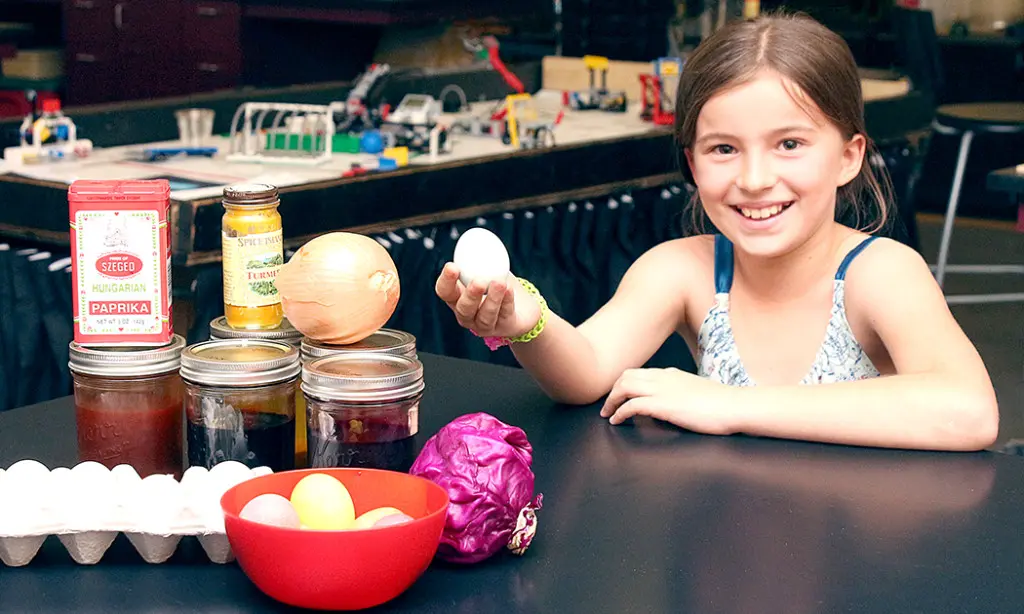
“Research” is a concept that helps a child to observe activities or phenomena in the environment, thereby learning first-hand about basic concepts in physics, biology or chemistry. Lower School students get a chance to spend time in the school’s Science Lab engaging in a variety of research projects as part of their regular curriculum.

Field Trips

Field trips are scheduled regularly and are a key element of the Lower School experience. Emphasis on hands-on learning gets the Lower School students out on bi-weekly field trips to a variety of destinations. Typical trips might include touring a museum, visiting a fish hatchery, visiting a fire department or public library, exploring botanical gardens, touring a post office, or attending a musical concert. Focus is always on exploring the world around them.
Linkedin Logo

I recently completed an Initial WASC visit to Delphi Academy of Los Angeles. Nestled in the beautiful foothills of the Angeles National Forest, Delphi has been empowering students since 1984 with a clear mission: to help students improve the condition of their lives and communities through knowledge, reason, creativity, and integrity.

What stood out during my visit:

Proficiency-Based Learning: Students advance by demonstrating true understanding rather than simply completing grade levels. Each learner progresses at their ideal pace—a refreshing approach to individualized education.

Meaningful Relationships: With small class sizes every student receives genuine one-on-one attention from teachers who truly care about their success.

Study Technology: The school equips students with practical tools to overcome learning barriers, helping them develop deep comprehension skills that extend far beyond the classroom.

Real-World Application: The curriculum ensures students don’t just memorize—they can meaningfully apply what they’ve learned.

During stakeholder interviews, the consistent theme was personalized attention and care. Parents praised the in-depth conferences that provide clear insights into their child’s progress, while students appreciated developing genuine understanding rather than surface-level knowledge.

Particularly impressive was that over 50% of current students are second-generation Delphi learners—a powerful testament to the lasting impact of their educational approach.

Thank you to Cindy Gainsforth and the team at Delphi!

WASC logo